If you want to know where the real money in independent music is hiding in 2026, it is not in your streaming dashboard. It is in sync licensing — getting your music placed in film, television, video games, ads, and the endless river of online content. A single placement can pay more than a million streams, often with an upfront fee and ongoing royalties. And demand has never been higher.
This is the part of the business I have lived in for fifteen years, so let me give you the honest, practical version.
What sync licensing actually is
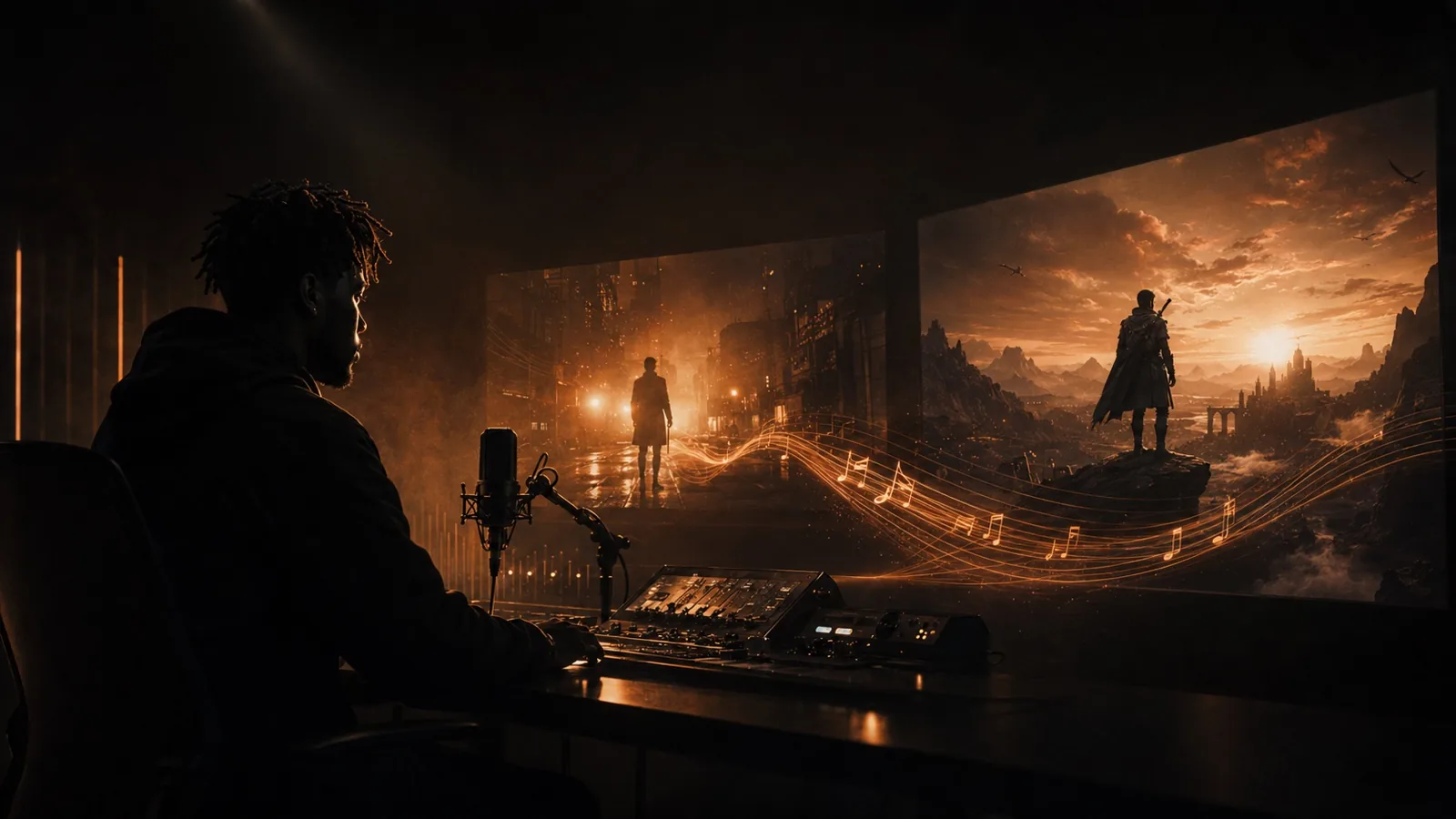
A "sync" (synchronization) license is permission for someone to pair your music with visual media. When a show drops your track under a pivotal scene, or a brand uses it in a spot, they license the right to do so. You get paid for the placement, and often again every time it airs. Unlike streaming, the value is not measured in fractions of a cent — it is measured in real dollars per use.
Why sync is the best money in music right now
Three things collided to make this the moment for sync:
- Content demand exploded. Streaming services, studios, games, and especially short-form platforms like TikTok and Reels need enormous volumes of music — and they need it cleared and ready.
- It pays like a professional should be paid. Placements range from modest to life-changing, and they come with credibility that opens more doors.
- It is finally accessible to independents. You no longer need a major label to get in the room. The gatekeeping has loosened — if your music is genuinely ready.
One good placement can out-earn a year of streaming — and unlike a viral moment, it is an asset that keeps paying.
What actually gets placed
Here is where most independent artists lose before they start: sync is a quality filter. A supervisor is putting your music under someone else's expensive footage on a deadline. They will not gamble on a track that sounds homemade. To compete, your music needs:
- Broadcast-ready production and mixing. Clean, balanced, professional — no exceptions.
- Instrumental and stem versions. Editors need flexibility: instrumentals, no-vocal beds, and separated stems.
- Emotional clarity. The track should evoke one clear feeling a supervisor can drop into a scene.
- Clean metadata and splits. Properly tagged files and clear ownership so it can be licensed instantly.
The #1 reason indie tracks get rejected for sync: the song is good but the recording is not ready — muddy mix, no instrumental, unclear rights. Sync-readiness is a production problem before it is a pitching problem.
How to actually get placed
- Get sync-ready first. Professional mixes, instrumental/stem versions, and tagged metadata for every track you want to pitch.
- Register with a PRO (ASCAP, BMI, etc.) and keep your songwriter splits documented and clean.
- Get into libraries and agencies. Reputable sync libraries and licensing agencies pitch your catalog to supervisors who are actively searching.
- Pitch to briefs. Supervisors and platforms post specific needs — respond with the right track, not your whole catalog.
Where MN comes in
Getting a record sync-ready is exactly what we do. We have placed music across film, TV, games, and commercials, and we prepare tracks specifically to clear that quality bar — proper mixes, instrumentals, stems, the works. You can hear examples on our scoring & sound design page.
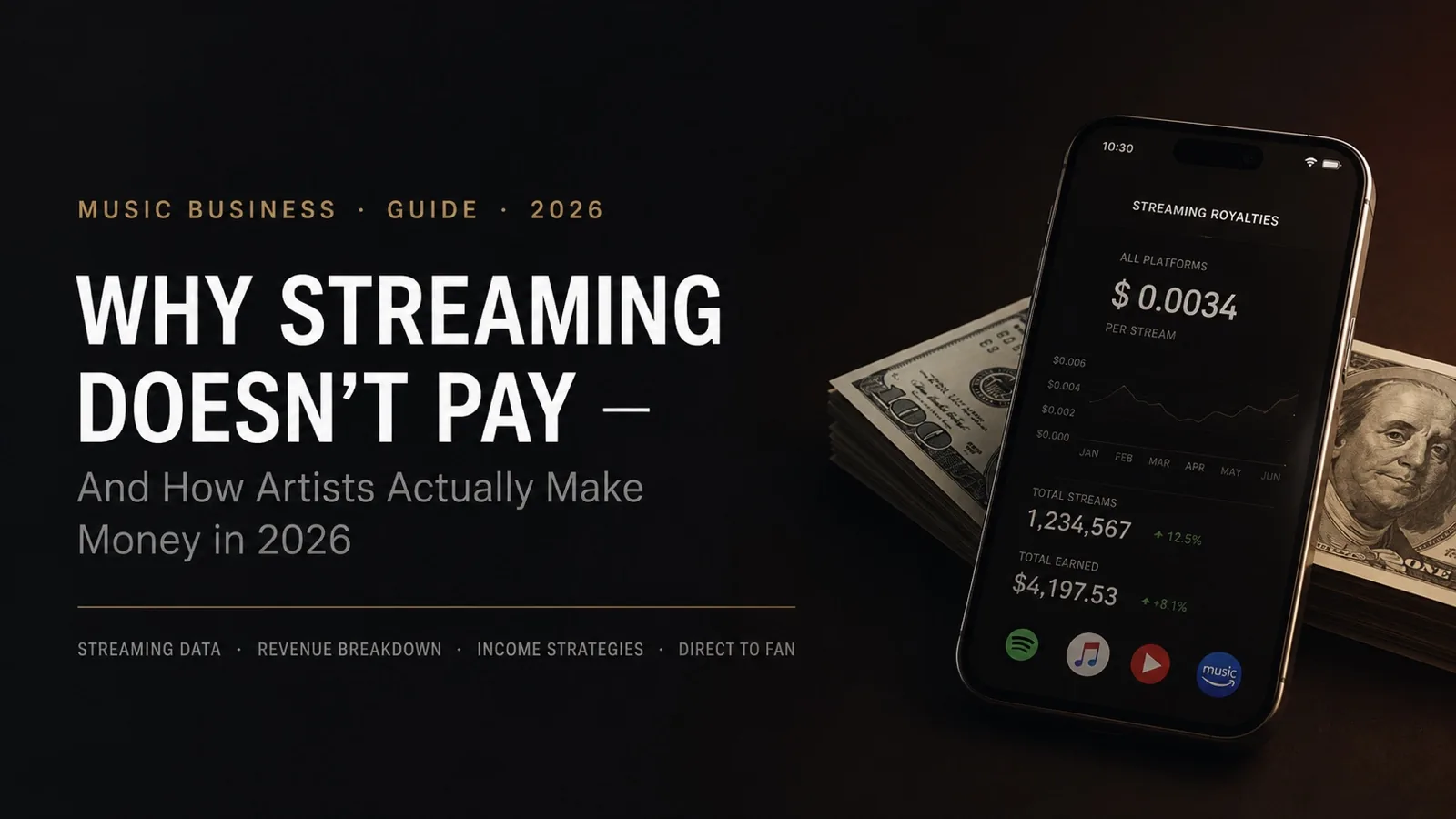
If you want your catalog ready for the rooms where placements actually happen, let us talk. It pairs naturally with understanding why streaming doesn't pay — sync is a huge part of the answer.