If you have ever been asked to "send over your EPK" and felt a flash of panic, this guide is for you. An EPK — electronic press kit — is the single most useful asset an independent artist can have, and most artists either do not have one or have one that quietly costs them opportunities.
Think of your EPK as your professional first impression: the link you send to a venue, a playlist curator, a blog, a sync supervisor, or a potential collaborator. Get it right and doors open faster. Here is exactly what goes in one and how to build it.
What is an EPK, exactly?
An EPK is a single web page (or PDF) that packages everything someone needs to book, feature, or write about you — your music, your story, your photos, and your contact details — in one clean, scannable place. It replaces the messy back-and-forth of "can you also send a photo… and a bio… and your socials?"
What to include in your EPK
A strong EPK has seven parts. Miss these and you make the other person do work — which usually means they move on:
- Short bio — who you are, in two or three tight paragraphs.
- Music — embedded players or links to your best, most current tracks.
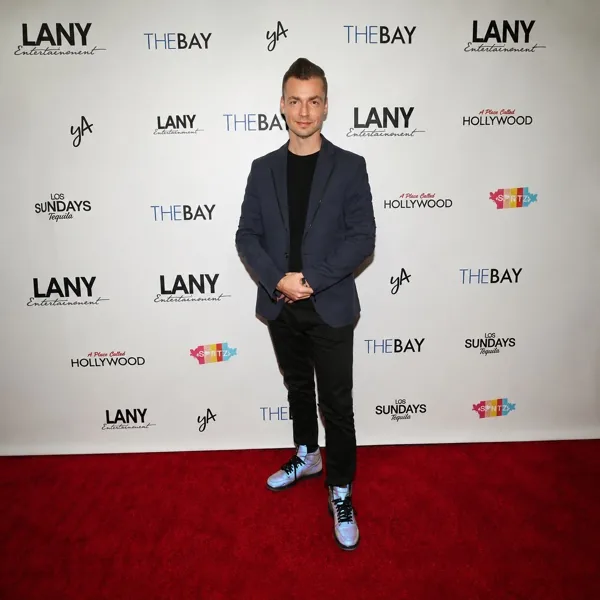
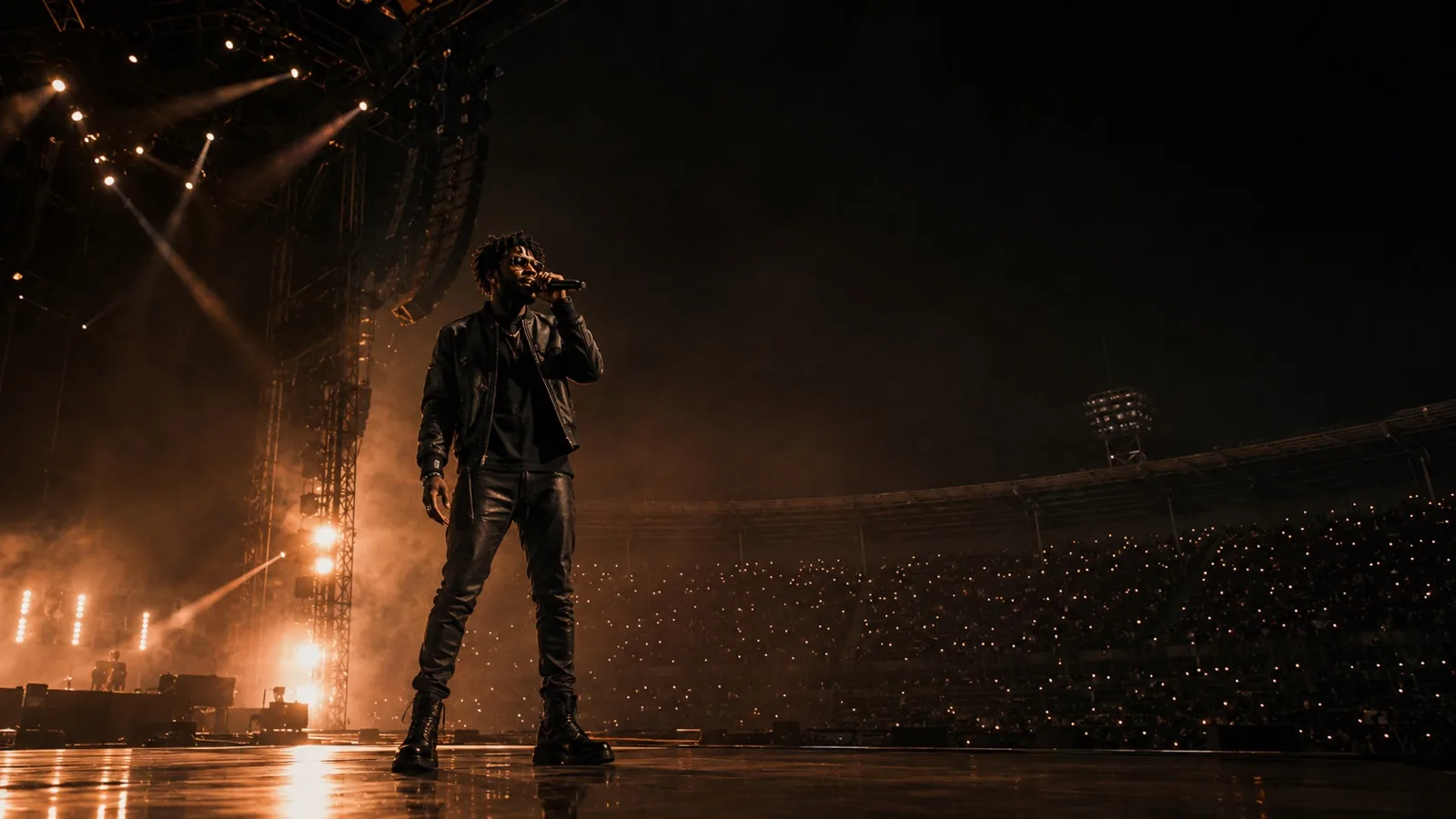
- Press photos — high-resolution, on-brand, downloadable.
- Press & highlights — quotes, features, notable placements, key stats.
- Social links — Spotify, Instagram, YouTube, TikTok.
- Live/video — a performance clip or music video if you have one.
- Contact — one clear email for booking and inquiries.
How to write your artist bio
Your bio is the hardest part, so lead with what matters. Open with a sentence that says who you are and why anyone should care, then back it up with specifics — a notable release, a placement, a number. End with where you are headed.
Write your bio in the third person, keep it under 200 words, and cut every sentence that does not earn its place.
If your artist brand is clear, the bio almost writes itself — it is just your story, tightened.
Choosing your press photos
Include three to five high-resolution shots: at least one tight portrait and one wider, more atmospheric image. They should match your visual identity — same world, same mood as your cover art. Make them easy to download; a curator who has to email you for a photo often just will not.
Pro tip: name your files properly — artistname-press-photo-1.jpg, not IMG_4821.jpg. It signals you are easy to work with, and your name ends up on the editor's desktop.
Where to host your EPK
A live web page beats a PDF almost every time — it is easier to update, easier to share, and looks more current. You can use a dedicated EPK tool, a simple one-page site, or a clean page on your own domain. The format matters less than this: it should load fast, work on a phone, and be one click away.
Common EPK mistakes
- Out-of-date music. Lead with your current sound, not a three-year-old single.
- Low-res or off-brand photos. They undercut everything else.
- Burying the contact. Make it impossible to miss how to reach you.
- Too long. Respect the reader's time — they are skimming.
Bottom line
Your EPK is the difference between "I'll look into it" and "let's book it." Build it once, keep it current, and send it with confidence. And if you are getting your music to the level that deserves that kind of attention, let us talk — that is what I do.