Something fundamental just shifted in music, and most artists are only starting to feel it. For the first time, anyone can type a sentence and get a finished-sounding song back in seconds. The barrier to making music has effectively dropped to zero, and streaming platforms are absorbing tens of thousands of AI-generated tracks a day. If that makes you, as a real artist, a little uneasy — good. It means you understand the stakes. But the conclusion most people jump to — "artists are finished" — is exactly backwards.
The floor dropped. The ceiling did not.
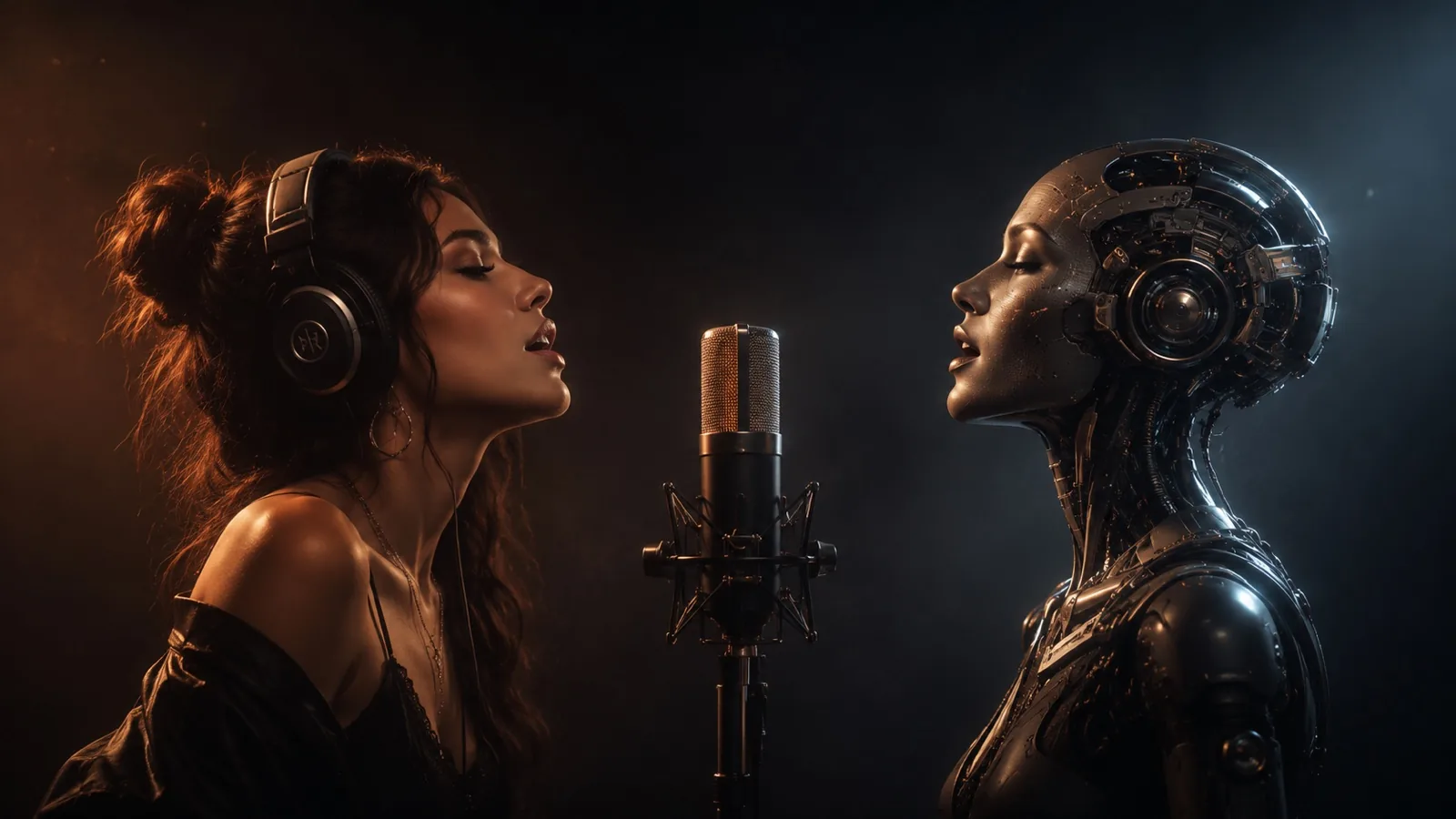
AI is extraordinary at producing the average. Feed a model the entire history of recorded music and it will hand you a confident, competent, utterly forgettable version of the middle. That is what these systems do — they predict the most likely next note. The result is an ocean of music that sounds fine and means nothing.
Here is the part nobody is saying loudly enough: when the average becomes infinite and free, its value collapses to zero. What becomes scarce — and therefore valuable — is everything a model cannot fake: a specific human being with a point of view, a story, and the taste to know what to leave out.
What AI cannot take from you
- Your story. A model has no childhood, no heartbreak, no city that shaped it. You do — and listeners can feel the difference even when they cannot name it.
- Your taste. Anyone can now generate a thousand options in a minute. Almost no one can choose the right one. Taste — knowing what is unmistakably you — is the rarest and most valuable skill in music now.
- Your presence. A live room, a voice that cracks in exactly the right place, a fan who feels seen. AI does not show up. You do.
The artists who thrive in this era will not be the ones who out-produce the machines. They will be the ones who are most unmistakably, specifically human.
Use AI as a tool, not a ghostwriter
None of this means you should pretend AI does not exist. The smartest artists I work with already use it — as an assistant, never as the author. The line is simple: let it handle the work around the song; keep your hands on the song itself.
- Good uses: breaking writer's block, sketching quick demo ideas, drafting marketing copy, mocking up artwork concepts, handling the admin that steals your studio time.
- Where to stop: the melody, the lyric, the performance, the final creative calls. The moment AI is making the decisions that define you, you have handed away the only thing that was ever going to set you apart.
A simple test: if a tool helps you sound more like yourself, use it. If it helps you sound like everyone else, you have just joined the ocean of the average.
Double down on what does not scale
The counter-move to infinite content is not more content — it is depth. Invest in the things a model cannot mass-produce: a real artist brand, a live show people travel for, a genuine community, and a sound that is so specifically yours it could not have come from a prompt. In a world drowning in "fine," being someone is the entire game.
Finding your way
The age of AI is not the end of artistry. It is the end of generic artistry — and that is a future worth being excited about. The middle is now free, which means the only place left worth standing is the edge: more honest, more specific, more human than a machine could ever be.
That is the kind of record I care about making — one that could only have come from you. If that is where you are headed, let us talk.